counter customizable free hit
What Do Fats Do in the Body?


New: Complete resources for America's Caregivers...click here      Affordable, quality walkers, wheelchairs, canes improve Elderly mobility, independence...click here
America's Seniors General Store--selection, value on thousands of items...click here     Seniors' Health, Personal Care--Order quality, affordable items from the privacy of your home...click here   Vitamins, nutrients can protect health and boost Successful Aging...click here      Diet, quality foods add to longevity, successful aging...shop from home...click here


Home
Up
Add Color to Diet
Added Sugars Danger
Ads, Inbalanced Diet
Aging Diets Education
Aging Food  Focus
AL Free Vegs for Senior
Apples Fight Aging
Artichoke Questions
Avocado Oil Benefit
Avoid Dehydration
Avoid Weight Gain
Avoid Lifelong Obesity
Avoiding Holiday Weight
Basic Healthy Beverages
BBQ Food Safety Tips
Beet Juice Deters Dementia
Berries Aid Aging
Berries Boost Brains
Berries Lower Parkinson's Risk
Berries Reduce Blood Pressure
Bigger Drinks, Bigger Americans
Bite, Wait Weight Loss
Black Rice Antioxidants
Blood Pressure Benefit
Blueberries Obesity Fighter
Broccoli Component
Brocolli Fights Arthritis
Cancer Fighting Foods
Cancer Fighting Produce
Cancer-Fighting Snack
Five Cancer Fighting Foods
Cancer Fighting Foods
Caffeine Boost
Cheese Boosts Immunity
Cherries Offer Health Benefits
Chocolate Benefits
Chocolate Fat Blooms
Chocolate Stroke Prevention
Choose Tart Cherries
Cinnamon Fights Dementia
Cocoa,  Skeletal Functilon
Coffee Cancer Benefit
Coffee Fights Depression
Compulsive Overeating
Cooking More at Home
Copper Rich Diet Benefit
Cranberry Juice Benefit
Curry Gains Favor
Cut Carbs, Cut Fat
Cut Fatty Acid Intake
Dark Meat Benefit
Decaffeinated Coffee Benefit
Deep-Fried Cancer Risk
Dementia Flavor Loss
Diet, Diabetes Study
Diet Lowers Dementia Risk
Dietary Supplements Study
Diet, Bladder Cancer
Diet Changes Survey
Diet Cuts Cancer Risk
Diet Fights Kidney Stones
Dieitng? Get a Life(style)
Diet Lower AMD Risk
Diet, Mental Energy
Diet Prevention
Dietary Restriction Impact
Dietian Lowers Cholesterol
Diet, Lung Cancer Link
Dieters Duped by Names
Don't Ignore Processed Food
Don't Skip Breakfast
Eating Disorders
Eat for Eye Health
Eating for Healthy Heart
Eat, Enjoy Your Candy
Eating Less Deters Aging
Eat Less More Often
Eat Light at Holidays
Eat like the Greeks
Eat More Greens
Eat or Exercise?
Eat When Hungry
Eat Yourself Younger
Egg Safety
Egg Yolk Warning
Elderly Malnutrition
E-Rich Food Value
Ethnic Foods Popular
Ethnic Tradition Foods
Exercise Improves Diet
False Diet Claims
Fast Food, Clogged Arteries
Fat Fuels Damaged Hearts
Feeding Growing Population
Fewer Calories, Live Longer
Fiber Prevents Colon Cancer
Fight Holiday Weight
Fish in the Diet
Food Aids Aging
Food Deprivation Impact
Food Insecure Seniors
Food Label Role
Food of Love
Food Price Struggle
Food Safety Training Lack
Food Safety in Storm
Foodie Trends
Fountain of Youth
Fraility, Food Insufficiency
Frequent Dialysis Risk
Frozen Food Weight Loss
Fruits, Veggies, Strong Bones
Gardening, Vegetable Consumption
Ginger Relieves Pain
Gluten-Free Eating
Good Cholestrol Tomato
Going Vegetarian Plan
Grapes Fight Hypertension
Grapefruit Juice Benefit
Grapes Fight Dementia
Green Foods for Health
Green Tea Benefits
Grilling with Seniors
Groundbreaking Dieting
GSA Supports Dietary Guidlines
Healthy Eating Resolution
Healthy Corner Stores
Healthy Diet, Alzheimer's
Healthy High Fat
Healthy Holiday Eating
Heart-Healthy Foods
High Protein Breakfast
Holiday Healthy Diet Tips
Iced Tea Hazards
Lack of Healthy Diet
Life-Saving Diet
Lifespan Pathway
Low Calorie Diet Benefit
Low-Carb Cognition Effect
Low-Fat Diet, Menopause
Maintain Weight Loss
Maple Syrup Benefits
Meat Not Breast Cancer Risk
Mediterranean Diet,  Heart Health
Metabolism, Accelerated Aging
Milk Provides Nutrients
Moderate Drinking Benefit
More Calciium Needed
Mr. Peanut Video
Mushrooms, Vitamin D
National Nutrition Month
'New' Ancient Ingredients
New Fiber Discovery
No Natural Diet
Nutrient Rich Foods
Nutrtion, Alzheimer's Links
Nutrition Saves Sight
Nuts Lower Cholesterol
Olive Oil Fights Stroke
Olive Oil Protects Bone
Omega-3 Hamburger
Optimum Cooking Times
PA Community Garden
PA Seniors' Nutrition
Pasta Lovers Cookbook
Peppers Improve Memory
Personal Hospital Diets
Phosphorous Level Concern
Physicians' Habits Influence
Pickle Juice Cuts Cramps
Planning,Visualization
Potato Chip Power
Potatoes Cut Blood Pressure
Power Drink Study
Raspberries Fight Colon Cancer
Reduced Calorie Benefit
Reduced Salt Consumption
Restaurant Calorie Excess
Restaurant Sodium Levels
Resvertrol Benefits
Safflower Oil Benefit
Seeing Food Flavors
Seniors' Chefs Compete
Seniors Need More Nutrition
Simple Steps Improve Health
So-Called Healthy Foods
Sodium Restorative Role
Soybeans Fight Disease
Soy Fights Hot Flashes
Spoonful of Sugar
Supernutritous Oats
Supplements Explained
Tart Cherries Aid Muscles
Taste Recovery, Age
Taste Buds Like Fat
Thanksgiving Eating
Thanksgivng Savings Tips
Toss Cravings, Lose Weight
Vegetables Prevent Cataracts
Apple a Day
Too Much Sweetness
TSN In the Kitchen
TV in Food Pyramid
Ultimate Chef Competition
Valentine Overindulgence
Vegetables Fight Cancer
Veggies Fight Lung Cancer
Waistline Job Impact
Walnuts Top Nut
Wash Grocery Totes
Watching Cooking Shows
Water Diet Aid
Weight Loss Program
What Does Fat Do?
Whole Grain Benefits
Whole Grain Consumption
Whole Grain Gap
Wholesome Nutrition
Why Taste Cells Love Sugar
World Aging Population
2012 Food Trends
Tart Cherries Beneficial
Taste Preferences Impact
Tomatoes Cut Stroke Risk
Too Much of a Good Thing
Transferring Taste
Vegetables, Fruit Protection
2013 Chocolate Trends
2013 Food Trends
2013 Healthy Eating


Home
Addiction
Arthritis, Bones
Alzheimer's Disease
Blood Pressure News
Cancer Developments
Chronic Pain, Disease
Cirrhosis Impact
Aspirin, Cancer Patients
diabetes_news
Dietary for Seniors
Elderly Oral Health
Middle-Age Weight Gain
Exercise News
Flu Season
Hearing
Heart & Stroke News
Kidney News, Information
Hormone Boost No Threat
Mental Health
Parkinson's News
Foot Ulcers Threat
Respiratory Health
Seniors' Vision
Smile Measures Beauty
Vitamins, Nutrients
Whooping Cough Vaccine


Google


Web

TodaysSeniorsNetwork.com


AddThis Feed Button   Now, keep up to date with daily feeds of newly posted stories about America's Seniors...click on the box to the left


What Do Fats Do in the Body?


Newswise, February 11, 2011 — It’s common knowledge that too much cholesterol and other fats can lead to disease, and that a healthy diet involves watching how much fatty food we eat. However, our bodies need a certain amount of fat to function—and we can’t make it from scratch.

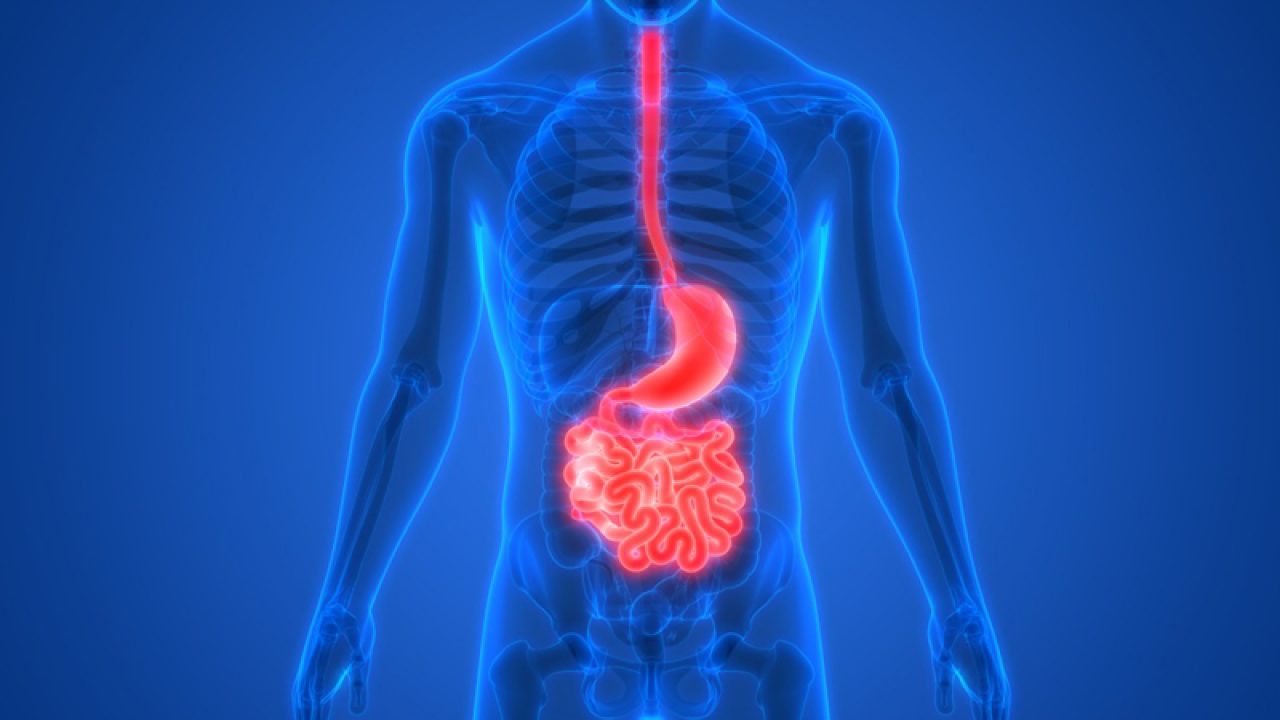
Triglycerides, cholesterol and other essential fatty acids—the scientific term for fats the body can’t make on its own—store energy, insulate us and protect our vital organs.


They act as messengers, helping proteins do their jobs. They also start chemical reactions that help control growth, immune function, reproduction and other aspects of basic metabolism.


The cycle of making, breaking, storing and mobilizing fats is at the core of how humans and all animals regulate their energy.


An imbalance in any step can result in disease, including heart disease and diabetes. For instance, having too many triglycerides in our bloodstream raises our risk of clogged arteries, which can lead to heart attack and stroke.


Fats help the body stockpile certain nutrients as well. The so-called “fat-soluble” vitamins—A, D, E and K—are stored in the liver and in fatty tissues.


Knowing that fats play such an important role in many basic functions in the body, researchers funded by the National Institutes of Health study them in humans and other organisms to learn more about normal and abnormal biology.


Looking to Insects for Insight into Fat Regulation


Despite fat’s importance, no one yet understands exactly how humans store it and call it into action.


In search of insight, Oklahoma State University biochemist Estela Arrese studies triglyceride metabolism in unexpected places: silkworms, fruit flies and mosquitoes.


The main type of fat we consume, triglycerides are especially suited for energy storage because they pack more than twice as much energy as carbohydrates or proteins.


Once triglycerides have been broken down during digestion, they are shipped out to cells through the bloodstream. Some of the fat gets used for energy right away. The rest is stored inside cells in blobs called lipid droplets.


When we need extra energy—for instance, when we run a marathon—our bodies use enzymes called lipases to break down the stored triglycerides.


The cell's power plants, mitochondria, can then create more of the body's main energy source: adenosine triphosphate, or ATP.

Arrese works to identify, purify and determine the roles of individual proteins involved in triglyceride metabolism.


Her lab was the first to purify the main fat regulation protein in insects, TGL, and now she is trying to learn what it does. She also discovered the function of a key lipid droplet protein called Lsd1, and she is investigating its sister, Lsd2.


Arrese’s work could teach us more about disorders like diabetes, obesity and heart disease.


Plus, by understanding how insects use fat when they metamorphose and lay eggs and by hypothesizing how to disrupt those processes, her discoveries could lead to new ways for farmers to protect their crops from pests and for health officials to combat mosquito-borne diseases like malaria and West Nile virus.


But before any of that can happen, says Arrese, "We need to study a lot and have information at the molecular level."


Cholesterol and Cell Membranes

One of Arrese’s challenges is trying to get oily substances like fat to work in lab tests, which tend to be water-based. However, our cells couldn’t function without fat and water’s mutual dislike.


Cell membranes encase our cells and the organelles inside them. Fat—specifically, cholesterol—makes these membranes possible.


The fatty ends of membrane molecules veer away from the water inside and outside cells, while the non-fatty ends gravitate toward it.


The molecules spontaneously line up to form a semi-permeable membrane. The result: flexible protective barriers that, like bouncers at a club, only allow the appropriate molecules to cross into and out of cells.


Chew on that the next time you ponder the fate of the fat in a French fry.


... ..
...
...


Home
Up
Aging News
Seniors Commentary
California Report
Caregiving_News.htm
Community/Workplace
Election 2012
'Smart Bombing' Diseases
Fitness,Health
Grandparents
HealthCare Policy
Hispanic Seniors
Medicare News
Prescription Drug News
Resources, Links
Rural Seniors
Resources, links to seniors agencies, groups
Safety & Security
Seniors' Entertainment
Seniors' Finances
Seniors Relationships
Social Security News
The Virtual Family
Travel News
Veterans Tribute
Privacy Statement
Join Our Mailing List
Aging Resources Store
TSN Video News
Rx for American Health
New Page 12


Copyright 2000-2013 TodaysSeniorsNetwork


Contact Us