Now, keep up to date
with daily feeds of newly posted stories
about America's Seniors...click on the box
to the left
A Not-So-Secret Weapon in the Fight against
Colorectal Cancer
Nine-Year
Survivor, Oncologist shares how Screening is
the best defense To beat the disease
Newswise, April 19, 2011 — HOUSTON - Renato
Lenzi, M.D., medical oncologist at The
University of Texas MD Anderson Cancer
Center and colon cancer survivor, knows only
too well how important preventive methods
are to beating colorectal cancer. After all,
a routine colonoscopy saved his life.
"I wouldn't be here without the screening
colonoscopy," Lenzi said. Diagnosed nine
years ago, he now has perspectives from both
sides of the exam table - as a doctor
treating cancer patients and as a patient
being treated.
His experiences during the six months of
treatment at MD Anderson along with his work
at the institution have made him more keenly
aware of the struggles cancer survivors
face. "I believe one of the key factors to
minimizing treatment side effects that
survivors experience is to diagnose
colorectal cancer earlier," Lenzi said.
Bear Arms Against A Fierce Opponent
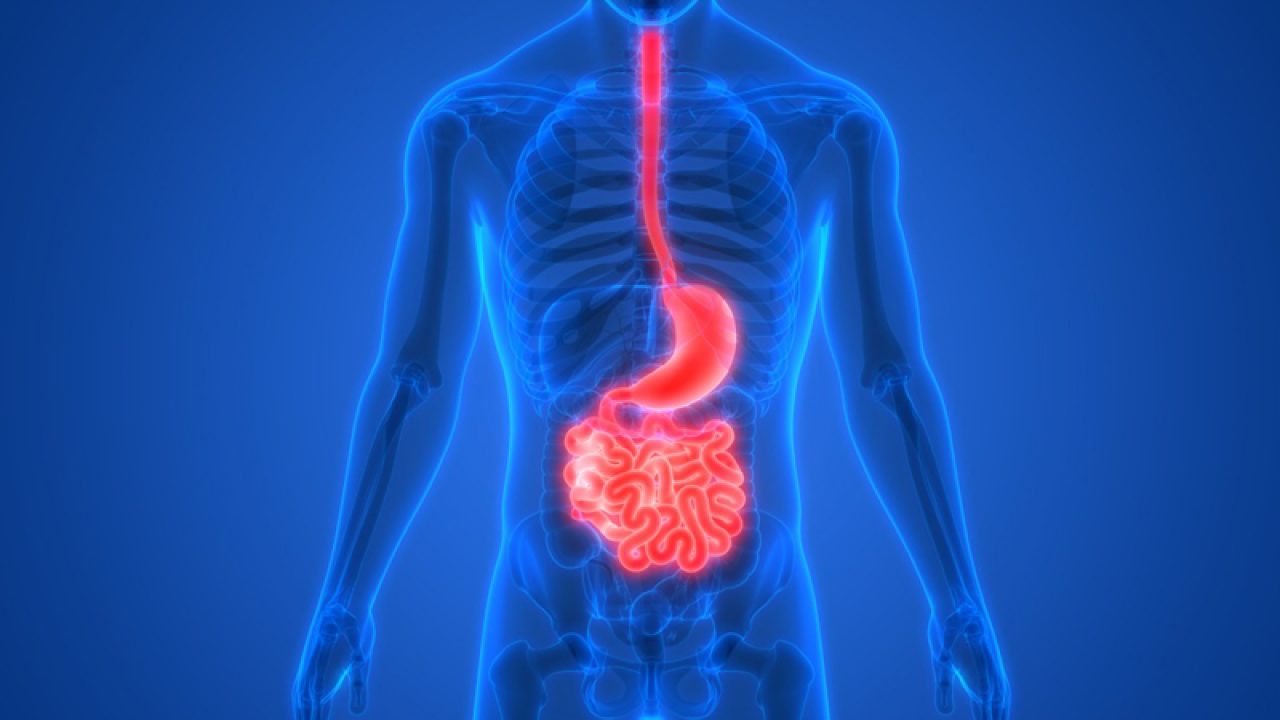
Colorectal cancer is the third most common
cancer and is the second deadliest one in
the United States. The disease forms
precancerous and cancerous polyps in the
colon and rectum. A colonoscopy is a
screening exam used to detect polyps.
If caught early, the polyps can be removed,
improving survival rates substantially. A
colonoscopy can reduce the average person's
risk of dying from colon cancer by 60
percent.
MD Anderson experts suggest that people
start screening for the disease at age 50.
"As a person ages, the probability that he
or she will develop colorectal cancer
greatly increases," said Cathy Eng, M.D.,
associate professor in the Department of
Gastrointestinal Medical Oncology at MD
Anderson.
"Although we recommend that people 50 and
over are screened to prevent this disease
from developing, only half of the population
in this age group is screened regularly."
Eng, a medical oncologist, has been in the
trenches of the battle against colorectal
cancer for more than eight years.
She emphasizes the necessity of living a
healthy lifestyle and the benefits of early
detection. "It's important to stop the
cancer before it develops.
The more advanced your cancer is, the
greater the treatment, side effects and
chances for not surviving this disease."
She also states while an active lifestyle
and a diet rich in fruit and vegetables are
important, there are other factors that will
increase the risk for developing colorectal
cancer, including:
* a family history of the disease,
* a personal history of inflammatory bowel
disease, and
* inherited syndromes.
Eng advises those at increased risk to
follow MD Anderson's recommended cancer
screening guidelines to
guard against developing the disease.
Eng, is one of the lead organizers for MD
Anderson's annualSCOPE (Sprint
for Colorectal Oncology Prevention and
Education) Run - a competitive chip-timed
race in support of colorectal cancer
survivors.
"The most common response from patients when
they've been diagnosed with colorectal
cancer is that they regret they didn't have
a colonoscopy earlier," said Eng.
"Similar to preparing for extreme winter
weather with heavy coats, extra vitamins and
warm fluids, arm the body against colorectal
cancer."
MD Anderson's Battleground Services
MD Anderson has long been the leader in
multidisciplinary treatment for cancer
patients and is fast becoming a leader in
prevention. In addition to ground-breaking
research and discoveries, the institution
provides an array of resources and tools to
help prevent and detect cancer.
The Cancer
Prevention Center offers
screenings for colorectal cancer and other
cancers. The center offers the option for
either the traditional colonoscopy that uses
a lighted probe, or the virtual colonoscopy
that uses a CT Scan - a three-dimensional
x-ray - to examine the colon.
... ..
...
...