Now, keep up to date
with daily feeds of newly posted stories
about America's Seniors...click on the box
to the left
Nursing, engineering professors developing device to get seniors
moving
March 7, 2011 – For those of us living the
frenetic modern lifestyle, sitting in one
place for a long period might seem like a
vacation. But for those who are retired, it
can lead to health complications.
Patricia Burbank, professor of nursing at
the University of Rhode Island, realized
that there is a need to get older adults
moving.
The actual idea was inspired by Burbank's
own aunt, a 97-year-old woman living on her
own.
"She loves hearing from her family and
personal messages really resonate with her.
How much better would it be to develop a
device that could send a loving message and
a suggestion to exercise?" said Burbank who
is concerned about her aunt's decreased
activity levels.
She brought the idea to Dayle Joseph, dean
of URI's College of Nursing, who suggested
Burbank get in touch with Ying Sun, director
of URI's biomedical engineering program. Sun
and Kyle Rafferty, a senior from Amherst,
N.H., who is double majoring in biomedical
engineering and electrical engineering, have
been working to transform Burbank's ideas
into a tangible product. In November, the
device was patented through URI's Office of
Research and Development.
Working with Sun during the summer in the
initial stages of the project, Rafferty is
now involved as part of an independent
study. Using a breadboard, a construction
base for electrical circuits, Rafferty has
been responsible for getting the components
of what is being called, the Activity
Analyzer fully functional.
"It is a unique product because instead of
counting steps like a pedometer or measuring
distance walked, it uses an accelerometer, a
three-axis motion detector, to analyze
activity in three dimensions. It also has a
recording device and a clock so you can
record messages to go off at a particular
time or messages to go off after periods of
inactivity," Burbank said.
"I have been working to enable the processor
to regulate time and the audio playback as
well as program several messages to go off
during different times during the day,"
Rafferty said. "It is my goal to have a
working prototype, or close to it, by May."
Rather than a long guided workout, the audio
messages would be intended for short prompts
and reminders. Messages would be customized
for each user's mobility issue and
lifestyles. The messages would be recorded
by loved ones or primary care physicians.
At the end of each day, the device scores
the individuals based on their activity
levels, which can be tracked using a
computer.
Although the main application of the device
is to increase activity levels in older
adults, it also has numerous other helpful
functions. Alicia Curtin, URI associate
nursing professor, is working to use the
device to help individuals with mild to
moderate dementia.
"Family members or care providers can record
step-by-step instructions to prepare meals
and other daily activities," said Burbank of
North Kingstown. "This would increase
independence and allow individuals to live
on their own when they otherwise couldn't."
Other important uses for the device would be
to remind individuals to take medication and
for people of all ages to increase their
daily levels of low-impact activity,
especially those in sedentary work place
such as offices.
"The device will also help with fall
prevention by working on balance and
quadriceps strengthening exercises," said
Burbank. "Simple exercises, such as leg
lifts and standing on one leg with support
as needed, can help reduce the risk of
falling."
Burbank and Sun are currently reworking a
proposal to be submitted for grant funding
that would allow the team to construct six
Activity Analyzers and conduct a research
study. The study would involve testing the
device with a sample of 18 older adults to
measure activity levels and collect feedback
in order to improve the product.
Overall, the devices will help to improve
the lifestyles of older adults.
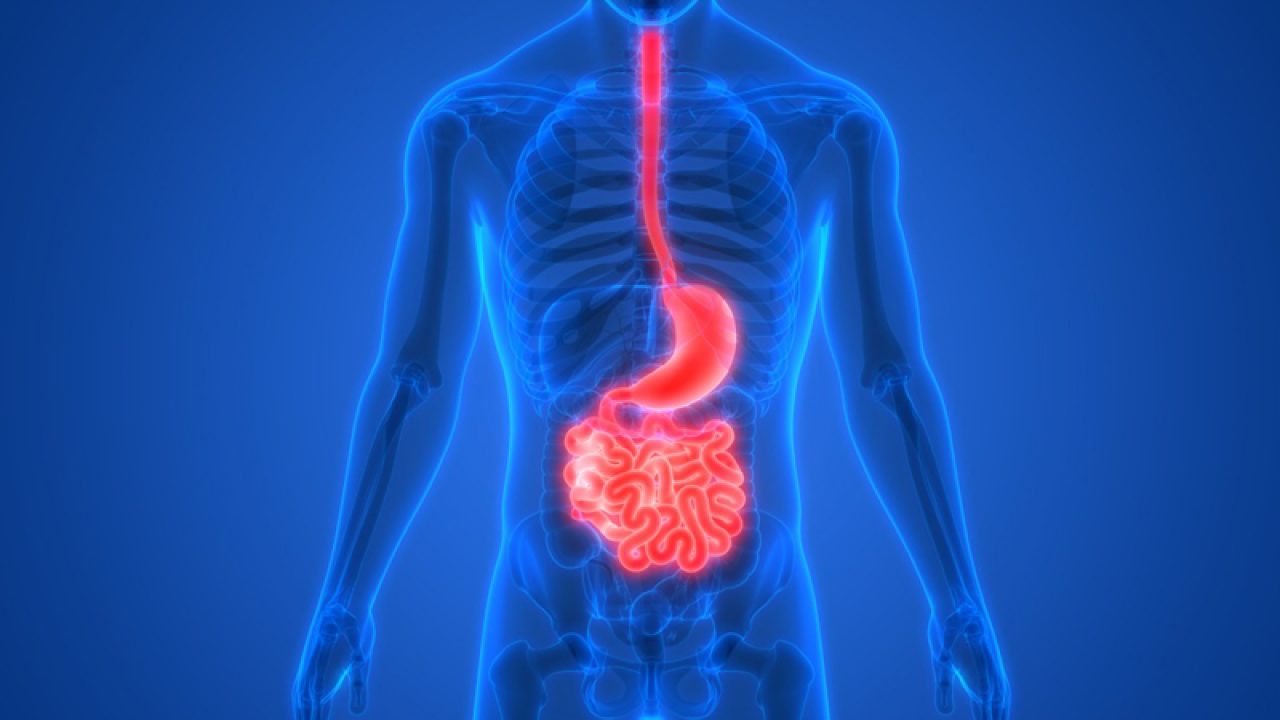
"Sedentary older adults, as a group, benefit
the most from even the smallest amount of
exercise. When you are stationary, your
blood doesn't circulate as well, your lungs
don't work as well and it has an impact on
your mental health. Exercise has
cardiovascular, respiratory, digestive,
neurological and skeletal muscular system
benefits among many others," said Burbank.
"By getting individuals moving just a
little, they will hopefully move toward a
more structured, regular exercise routine."
... ..
...
...