Researchers use Sugar to halt Esophageal
Cancer in its tracks
Newswise, January 16, 2012 — Scientists
working at the Medical Research Council have
identified changes in the patterns of sugar
molecules that line pre-cancerous cells in
the esophagus, a condition called Barrett’s
dysplasia, making it much easier to detect
and remove these cells before they develop
into esophageal cancer.
These findings, reported in the journal
Nature Medicine, have important
implications for patients and may help to
monitor their condition and prevent the
development of cancer.
Oesophageal cancer is the fifth biggest
cause of cancer death in the United Kingdom
and the eighth leading cause of cancer
deaths for men in the United States.
Moreover, the number of people diagnosed
with this disease is increasing rapidly.
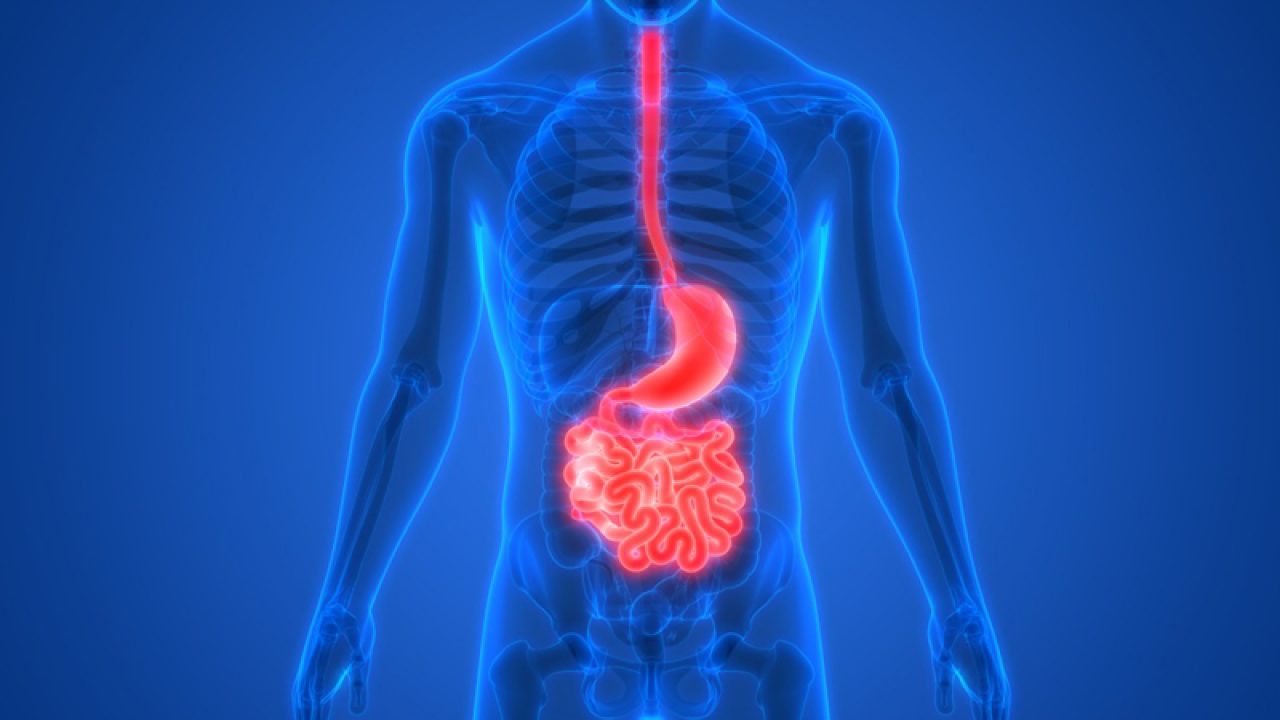
Individuals with a pre-cancerous condition
known as Barrett’s oesophagus are at an
increased risk of developing esophageal
cancer, and need to be closely monitored to
make sure that the disease is not
progressing.
Dysplasia offers a stage at which cancer can
be prevented by removing these cells.
However correctly identifying these areas
has proved to be problematic, as they can
easily be missed during endoscopy and
biopsy, which only take samples from a small
part of the esophagus. This can result in
false reassurance for patients in whom their
dysplasia has been missed, and conversely
those without dysplasia having to undergo
further unnecessary treatments.
The team, based at the MRC Cancer Cell Unit
in Cambridge, was led by Dr. Rebecca
Fitzgerald and included New York
University’s Lara Mahal, an associate
professor of chemistry, and William Eng, a
laboratory technician.
The researchers discovered a new mechanism
for identifying Barrett’s dysplasia cells by
spraying on a fluorescent probe that sticks
to sugars and lights up any abnormal areas
during endoscopy.
By analyzing the sugars present in human
tissue samples taken from different stages
on the pathway to cancer—using microarray
technology developed by NYU’s Mahal—they
found that there were different sugar
molecules present on the surface of the
pre-cancerous cells.
This technology uses sugar binding proteins,
known as lectins, to identify changes in
sugars and pinpointed carbohydrate binding
wheat germ proteins as a potential
diagnostic.
When the wheat germ proteins, attached to a
fluorescent tag that glows under a specific
type of light, were sprayed onto tissue
samples, it showed decreased binding in
areas of dysplasia, and these cells were
clearly marked compared with the glowing
green background.
“The rise in cases of oesophageal cancer
both in the UK and throughout the Western
world means that it is increasingly
important to find ways of detecting it as
early as possible,” Fitzgerald said.
“Our work has many potential benefits for
those with Barrett’s esophagus who have an
increased risk of developing esophageal
cancer.”
“We have demonstrated that binding of a
wheat germ protein, which is cheap and
non-toxic, can identify differences in
surface sugars on pre-cancerous cells,” she
added.
“And when coupled with fluorescence imaging
using an endoscopic camera, this technique
offers a promising new way of finding and
then treating patients with the highest risk
of developing esophageal cancer, at the
earliest stage.”
Editor’s Note:
For almost 100 years the Medical Research
Council has improved the health of people in
the UK and around the world by supporting
the highest quality science. The MRC invests
in world-class scientists. It has produced
29 Nobel Prize winners and sustains a
flourishing environment for internationally
recognised research. The MRC focuses on
making an impact and provides the financial
muscle and scientific expertise behind
medical breakthroughs, including one of the
first antibiotics penicillin, the structure
of DNA and the lethal link between smoking
and cancer. Today MRC funded scientists
tackle research into the major health
challenges of the 21st century. www.mrc.ac.uk
New York University, located in the heart of
Greenwich Village, was established in 1831
and is one of America’s leading research
universities. It is one of the largest
private universities, it has one of the
largest contingents of international
students, and it sends more students to
study abroad than any other college or
university in the U.S. Through its 18
schools and colleges, NYU conducts research
and provides education in the arts and
sciences, law, medicine, business,
dentistry, education, nursing, the cinematic
and dramatic arts, music, public
administration, social work, and continuing
and professional studies, among other
areas. www.nyu.edu