TSN Video News Up-to-the Minute National News, travel stories and the latest reviews and news about technical breakthroughs with E-Tablets, Computers, Phones and the latest technology. Click on the Video bar above to take advantage of this one-stop source for news and developments


 Home Up Aging News Seniors Commentary California Report Caregiving_News.htm Community/Workplace Election 2012 'Smart Bombing' Diseases Fitness,Health Grandparents HealthCare Policy Hispanic Seniors Medicare News Prescription Drug News Resources, Links Rural Seniors Resources, links to seniors agencies, groups Safety & Security Seniors' Entertainment Seniors' Finances Seniors Relationships Social Security News The Virtual Family Travel News Veterans Tribute Privacy Statement Join Our Mailing List Aging Resources Store TSN Video News Rx for American Health New Page 12


 Home
Up
Age-Defying Therapies
Aging America Preparation
Aging Brains Develop
Aging Disease Hotspots
Aging Factors
Aging in Place
Aging in Place Challenge
Aging in Place Benefits
Aging in US
Aging Perspectives
Aging Perspectives Survey
Aging Research Shortfall
Aging with GRACE
American, English Life Span
Amish Aging
Anti-Aging Acceptance
Anti-Aging Hormones
Anti-Oxidant Role Questioned
As Old As You Feel
Aspirin Beneft Questioned
Aspirin Benefit Test
Avoid Heat Stroke
Barefoot Fall Risk
Belief in God
Beauty and Aging Perspective
Beneficial Health Care Program
Benfits of Oils for Skin
Benefits Checkup Urged
Better Health Struggle
Better Spaces for Elderly
Bile Fountain of Youth
Birth Order Impact
Body Satisfaction Differences
Boost Aging Skin Cells
Bus Pass Health Benefit
Caffine Helps Memory
Caffine Reverses Memory Loss
Childhood Events' Impact
Cleaner Air Cuts Mortality
Clincal Trial Exclusion
Clues to Aging
Congregate Living Benefit
Cognitive Skills
Creative Link Benefit
DC Senior Needs Study
Decision-Making Influence
Defining Successful Aging
Defying Expectations
Easter Seals Project
Education, Status, Longevity
Elderly Advice to Grads
Elderly Happiness Secrets
Elderly Hospital Admissions
Elderly Housing Program
Elderly Med Tests Questioned
Elderly Thyroid Patient Risk
Elderly Want Own Home
Emotion Impact on Aging
Emotional Intelligence
Environment and aging
Extend Life Expectancy
Facial Bones Age
Falling Among Elderly
Fat Cells Impact
Fat-Loss, Longevity
Fewer Hot Flashes
Fighting Muscle Loss
Fountain of Youth from Tap
Fountain of Youth Quest
Four Death Risks
Frailty, Surgery Results
Friends Boost Longevity
Functional Training Benefit
Gardening Add Zest to Life
Gardening Benefits
Gene Life Span Impact
Gene Responsible for Aging
Gene Variants, Lifespan
Genetic Signatures
Get Shingles Vaccination
Getting Seniors Moving
Glimpse of Aging Future
Glucose Death Links
Growing Older at Home
Grow Old, Grow Happier
Habits to Resolutions
Hair Care for Seniors
Happiness Improves Life
Healthier Aging
Healthier Aging Impact
Health Reform Impact
Health vs. Fitness
Healthy Monday Tips
Helping Elderly Independence
Hot Flushes Linger
Housing for Aging
Housing Grant
Hunger in America
Hungering for Longevity
Illness, Injury Disability Link
Impaired Immune Response
Impending Aging Crisis
Improve Aging Skin
Injuries Killing Elderly
Is Aging Inevitable?
Israel Life Span Exeeds U.S.
Keeping Seniors Mobile
Key to Prayer Success
Less Pain Medication
Lifelong Health Gap
Lifting Aging Faces
Life Span Regulator
Lifestyle Impact Longevity
Living Fast Life
Longevity Molecule
Longevity Preparation
Longevity Secrets
Longevity Study
Looking Older
Lower Disablity Risk
Maintaining Mobility
Maintain Thinking Skills
Making Muscle Mass
Making Old Muscles Young
Male Menopause
Male Menopause Common
Managing Menopause Study
Mapping Aging Process
Massage Health Benefits
Mature Market Institute
Men and Doctors
Men, Medical Appointments
Men on Fire
Menopause Map
Men Urged Protect Health
Minoritiy Participants Needed
Mobility Issues
Molecular Aging Mechanisms
More Sick Time
Moving Aids Fitness
Music for All Ages
Muscles Fountain of Youth
Music Offsets Aging
National Mobility Awareness
NCOA BenefitsCheckup
New Theory on Aging
Noisy Aging Theory
Normal Body Temperature
Obesity, Aging
Older Father, Longer Life
Older Men Health Concerns
Overactive Thyroid Life Threat
Older Adults' Struggles
Older Americans Act
Over 50 Attitudes
Oxidants and Aging
PA Aging in Place Legislation
Paradox of Aging
Personality Genes Aid Aging
Physical Decline Older Adults
Planning, Education Keys
Positive Aging
Positive Social Skills Impact
Postponing Surgery
Post-Treatment Mortality
Primate Aging Similarities
Protein Fights Aging
Reaching 100 Years
Rebranding Exercise Message
Rediscovering Pragmatism
Resting Brain Stem Cells
Reverse Stem Cell Aging
Road Map to Life
Saving Brain White Matter
Seniors in Public Housing
Sepsis Awareness
Sleep and Aging
Slow Down Aging Process
Space Age Enzyme
Spiritual Lift Benefits
Stress Leads to Aging
Stress Leads to Mortalitiy
Successful Aging Secret
Summer Heat Safety
Side Effect Prevention
Stop Strength Loss
Studying Aging in Dish
SuperAgers Study
Testosterone Decline
Testosterone Older Men
Testosterone Slows Muscle Loss
Testosterone Study
Time in Nature
Tips to Live to 100
Training for Aphasia
Turn Back the Clock
Two Perspectives on Aging
Use Holidays for Family Check
Using Own Stem Cells
US Life Expectancy Lags
Vaccines for Adults Important
Value of Laughter
Vitality Project
Walking Aids Recovery
Walking Speed Aids Life
Walgreens Wellness Tour
Web Clues to Aging
Wellness Products
Why Muscles Weaken
Women and Aging
Women's Biiological Clock
50 Aging America Facts
50+ Lack Resources
65 is New 45
2011 Healthy Aging Tips
2011 Older Americans' Month
2012 Older Americans Month
Music Improves Health
Manage Holiday Stress
Holiday Party Traps
New Page 3


Home
Aging and Arthritis
Aging and Cancer
Aging Avoid Entrepreneurship
Aging, Cancer Deterrent
Aging Causes Diseases
Aging Consumer Launches
Aging, Depression
Boomers' News
Confronting Mental Decline
Elderly Driving Stories
End of Life
Seniors' Concerns
Part D Confusion
Health Care Concerns
Environments for Aging
Extra Day Personal Care
Texas Takes Aging Lead
Kohl Heads  Committee
Senior Dogs Deserve Care
What Concerns Seniors
2009 Aging in America Facts


Google


Web

TodaysSeniorsNetwork.com

Share with friends, community with Add This! service above!
 

AddThis Feed Button   Now, keep up to date with daily feeds of newly posted stories about America's Seniors...click on the box to the left 

Recognizing (and avoiding) Heat Stroke – No Sweat!

Newswise — The first sign of dangerous heat stroke can be just that – no sweat. As the temperature rises, your body’s natural cooling mechanism, sweat (or more kindly, perspiration), evaporates and helps to cool your body. But on those hot, humid cut-the-air-with-a knife days, evaporation is slowed and your body may not be able to keep itself cool.

"The best defense against any heat-related illness is prevention. Be extra careful when the heat index is 90 degrees or above. (The heat index tells you how hot it feels in the shade when relative humidity combines with the air temperature.)


Always, always drink plenty of water when the heat index is high and avoid caffeine and alcohol. If you must be outdoors, take frequent breaks inside or in the shade,” says Marilyn J. Heine, M.D., a Bucks County emergency physician and member of the Pennsylvania Medical Society.

"If you take precautions and know the warning signs, you generally can prevent heat stoke. Keep a close watch on the elderly and infants, people on certain medications, athletes and outdoor workers.”

Recognize these warning signs:

• Pale skin
• Fatigue, weakness
• Dizzy or nauseous
• Sweating profusely
• Rapid pulse
• Fast, shallow breathing
• Muscle weakness or cramps

Dr. Heine explains, “If you experience any of these symptoms, get out of the heat quickly and rest in a cool, shady place. Drink plenty of water or other fluids containing sugar and salt. Do NOT drink alcohol; that can make it worse. If you don’t feel better within 30 minutes, contact your doctor. If heat exhaustion isn’t treated, it can progress to heat stroke.”

Seek treatment immediately if any of these warning signs are present:

• Skin that feels hot and dry, but not sweaty
• Confusion or loss of consciousness
• Throbbing headache
• Frequent vomiting
• Shortness of breath or trouble breathing

Heat stroke is much more serious than heat exhaustion -- it can kill you. People with heat stroke may have seizures or go into a coma and most also have a fever.

"If you suspect heat stroke, call 911 immediately," Dr. Heine says, "Move the victim to a cooler location, remove heavy clothing, fan the body and wet it down with a cool sponge or cloth, and encourage the individual to drink cool fluids." At the hospital, the patient probably will be given fluids intravenously.

The key to beating the heat, of course, is prevention. Dr. Heine offers the following tips for keeping cool and healthy despite the sweltering sun and humidity.

• Don't overexert yourself.
• Drink a quart of fluids an hour.
• Wear loose clothing light in color and fabric, as well as a hat and sunblock, and stay in the shade or indoors if possible.
• Open windows and use fans, or turn on air conditioning. If you don't have air conditioning, go to a public place that does, like a mall, library, or movie theater.
• Avoid caffeine and alcohol, which can speed up dehydration.
• Finally, be a good neighbor - check on the elderly and chronically ill persons regularly to make sure they're bearing up under the heat.

Having heat exhaustion or heat stroke makes you more sensitive to hot conditions for about a week afterwards. Be especially careful not to exercise too hard, and avoid hot weather. Ask your doctor to tell you when it is safe to return to your normal activities.

According to Dr. Heine, there are two types of heat stroke, and everyone is susceptible, athletes and couch potatoes alike. Classic or non-exercise-induced heat stroke affects those exposed to extremely hot environments for an intolerable length of time.

The elderly or infirm

The elderly are more prone to heat-related illness for several reasons:

• Their bodies do not adjust well to sudden changes in temperature.
• They are more likely to have a chronic medical condition that upsets normal body responses to heat.
• They are more likely to take prescription medicines that impair the body's ability to regulate its temperature or that inhibit perspiration.

Dr. Heine recalls a 78-year-old woman who was transported by ambulance to the emergency department after a neighbor noticed she hadn't been out of her apartment for two days. The temperature had surpassed 90 degrees and the humidity was stifling. The woman was dehydrated, with a temperature of 104.7 degrees and a decreased blood pressure of 100/70. She was treated with intravenous fluids and then hospitalized.

You can help:

• Visit older adults at risk at least twice a day and watch for signs of heat exhaustion or heat stroke.
• Take them to air-conditioned locations if they have transportation problems.
• Make sure older adults have an electric fan and can take a cool shower or bath.

People taking certain medications

Many medications also can put you in danger of heat stroke:

• Allergy medicines
• Cough and cold medicines
• Some blood pressure and heart medicines
• Diet pills (amphetamines)
• Irritable bladder and irritable bowel medicines
• Laxatives
• Some mental health medicines
• Seizure medicines
• Thyroid pills
• Water pills

Talk to your doctor about what medicines you are taking. He or she can tell you if your medicine puts you at risk for heat stroke.

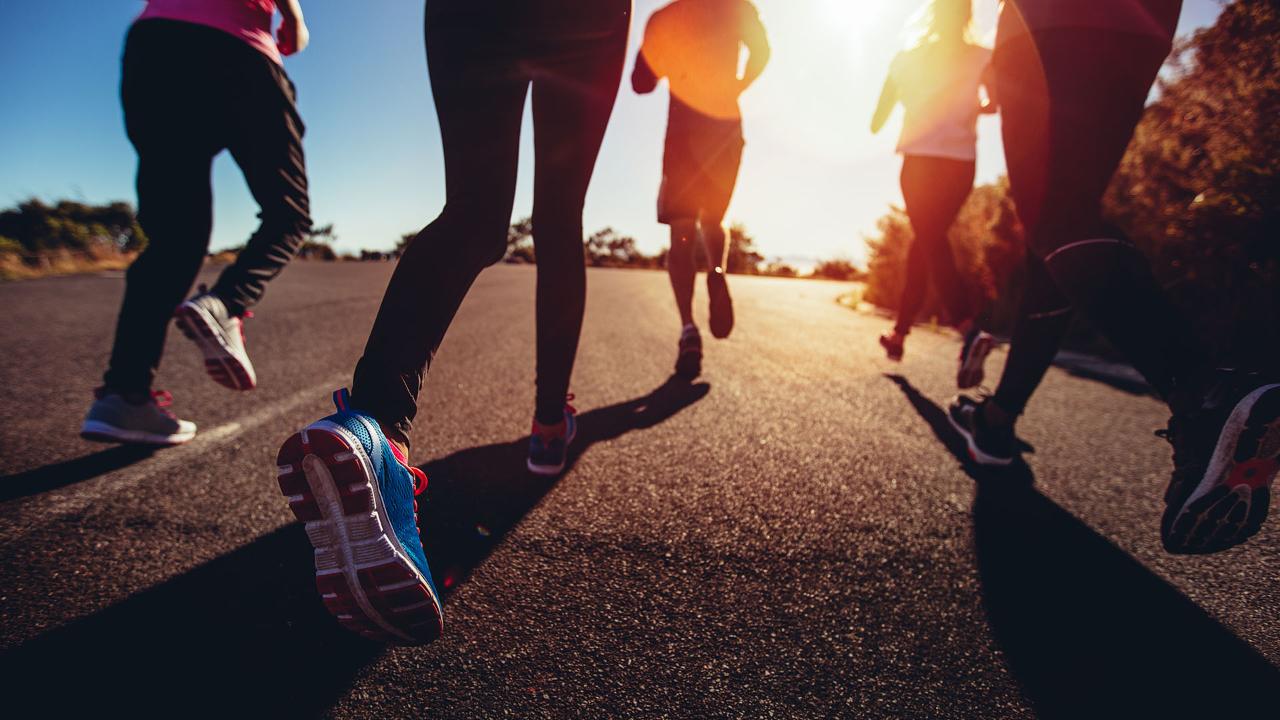
The other type of heat stroke - exertional or activity-induced - primarily affects athletes, laborers, and soldiers - persons who overdo physical activity in very hot temperatures.

Working in the heat

Firefighters, contractors, miners, farmers, laborers, to name a few, are highly susceptible to heat-related illness when the temperature climbs. If you work in hot environment, whether indoors or out, the key to avoiding heat-related illness is to follow the general guidelines – gradually build up your tolerance to heat over 5-7 days, hydrate, take breaks in the shade or air-conditioning, use fans when possible, avoid exertion during the hottest parts of the day, pace yourself and know the signs of heat-related illness.

Drinking enough water is critical. In the course of a day's work in the heat, you may produce as much as 2 to 3 gallons of sweat. To avoid dehydration, make sure your water intake during the workday is about equal to the amount of sweat produced. Most workers exposed to hot conditions drink less fluids than needed because they’re just not thirsty. Do your best to drink 5 to 7 ounces of fluids every 15 to 20 minutes to replenish the necessary fluids in your body.

For more information, visit the Pennsylvania Medical Society’s Family Health and Wellness website at www.myfamilywellness.org.


Download our new Android Apps for RxforAmericanHealth.blog or TodaysSeniorsNetwork.  Load them directly onto your mobile device by opening your device, opening your browser and entering either todaysseniorsnetwork or rxforamerican's health in the search box, then, when the app icon appears,  click download, then after download, click install. Or, click here to install both apps directly from the web to your phone.


Copyright 2000-2013 TodaysSeniorsNetwork


Contact Us