counter customizable free hit
America's Seniors at www.TodaysSeniorsNetwork.com
 
AddThis Feed ButtonNow, keep up to date with daily feeds of newly posted stories about America's Seniors...click on the box to the left
Election 2008...New! MSNBC Dashboard with continuous updates...information...stats...click here


How to be Heart Smart with Your Shopping Cart


Home
Up
Apple a Day Helps
Apple Benefits
Apples Explained
Apple Health Benefits
Apple Juice Helps
Apple Peel Helpful
Apple Types
Avoid Ad Claims
Artichoke Questions
Beer vs. Wine
Black Rapberries
Bladder Cancer Fighter
Boomers Age, Induldge
Boomers Eat Well
Breakfast Important
Bottled Water Questioned
Broccoli Aids Immunity
Caffine Helpful
Calorie Cuts, Aging
Calories Don't Add Up
Cancer Fighters
Cancer-Fighting Food
Cancer Fighting Ingredient
Center Studies Obesity
Cereal Helps Heart
Cherry Juice Helps
Cooking Light
Cherries Healthy
Coffee Helpful
Cranberry Benefit
Cranberries Fight Infection
Cultural Differences
Curry Aids Heart
Diabetic Cooking Tips
Dietian Role
Diets Back on Track
Diet,Painful Bladder
Do Diet Products Work
Don't Skip Breakfast
Dump Artificial Sweetners
Eat Fish, Keep Memory
Eating Green
Eat Less More Often
E-Coli Danger
Eating Light
Eat Well Guided Tour
Failure to Change Diet
Fat New Normal
Fish Healthy Food
Fish Oil Benefits
Five a Day Works
Foie Gras Problems
Folic Acid Role
Food Safety Tips
Food Trends Change
Fresh Food Promoted
Garlic Healthy
Grapes Fight Alzheimer's
Green Onion Dip
Good at any Age Food
Green Tea, Arthritis
Green Tea, Breast Cancer
Green Tea, Immunity
Healthy Cooking
Healthy Beans
Healthy Beef
Healthy Antioxidants
Healthy Diet
Healty 'Fast Food'
Healthy Food Trend
Healthy Holiday Food
Healthy Juices
Healthy Thanksgiving Meal
Heartburn Quiz
Heart-Healthy Food
High Protein Benefits
How Much Salt
Importance of Diet
Local Foods Best
Losing Weight
Lower Cholesterol
Low Fat Diet Best
Maintain Right Weight
Making Healthy Foods
March Nutrition Month
Mediterranean Diet
Misleading Weight Loss Claims
More Fruits, Vegetables
More or Less Salt?
Oatmeal Benefit Reaffirmed
Obesity Grows
Older Adults Weight
Olive Extract, Cancer
Olive Oil Benefits
Omega-3 Important
One Glass OK
Onions, Curry Benefit
Oprah's Diet Secrets
Organic Definitions
Out of Sight
Overweight Risk
PA Senior Nutrition
Pasta Still Bargin
Plant Diet & Alzheimer's
Power Drink Growth
Preventing Seizures
Problem Diet Tips
Racial Differences in Tips
Raspberries Healthy
Red Grapfruit Healthy
Reduce Hot Flashes
Reduce Salt
Red Wine Sales Up
Relieve Gassiness
Restrict Calories, Live Longer
Salad Month
Serving Size
Shellfish Healthy
Soluble Fiber
Soy Can Help
Soy Compound, Hot Flashes
Strawberries Healthy
Sugar Causes Aging?
Tackle Triglycerides
Tea Auto-Immune System
Think, Eat Green
Tomato Benefit
Treating Obesity
Trans-Fats Danger
Treating Eating Disorders
Types of Meals
Value of Garlic
Vegetables, Arteries
Vegetarian Benefits
SC Food Coupons
Tart Cherries Healthy
The Power of Juice
Therapeutic Milk
Top Food Trends
Vegetables Good
Vegetables Important
Walnut Guidelines
What Americans Eat
What We Eat, Drink
Where's the Beef?
Whole Grain Best
Whole Grain/Diabetes
Whole Grain Healthy
Women's Digestive Concerns
10 Healthy Foods
2008 Calorie Concerns

Home
45 Million Uninsured
Abdominal Screenings
Addiction
Allergy Season
Deaf Seniors
Alzheimer's News
Arthritis,Bones
Back Surgery May Help
Blacks & Obesity
Liver Cancer Pill
Blood Pressure News
Cancer Headlines
Chronic Disease
Craig Screenings
Chronic Pain, Disease
Dental Health
Reliable Ovarian Test
diabetes_news
Diet
Disabilities Examined
Exercise News
Falls, Serum Link
Faith & Health
Fibromyalgia
Flu Season
Foot Care
Foot Care Myths
Get Involved
Heart & Stroke News
Hearing
How's Your Thyroid
Incontinence Sufferers
Kidney News, Information
Hip Replacement Advances
HIV, Aging Population
Lack of Action
Lung Transplants
Marrow Transplants
Medical Causes Falls
Kiss, Don't Shake Hands
Liver Health News
Mental Health
Million with Shingles
New Alliance
Obesity Problems
Overactive Bladder
Parkinson's News
Psoriasis Disease Links
Respiratory Health
Problems Accumulate
Scar-Free Healing
Seeking a Cure
Seniors Health Tips
Seniors, Shingles
Spinal Injuries
Sleep Problems
Successful Therapy
Surgeon's Age
Surgery Information
vitamin_use.htm
Skin and Seasons
Throat Problems
Voice Tips
When to Call Doctor
Worst Pain?
Historic 'Brain Trust'
Varicose Vein Therapy


Google


Web TodaysSeniorsNetwork.com
 

New Service for TodaysSeniorsNetwork.com readers...roll mouse over, click on highlighted links in stories to review items from Amazon

AddThis Feed Button   Now, keep up to date with daily feeds of newly posted stories about America's Seniors...click on the box to the left

 
Video/Audio
Health Minute Image
Watch related video clip. For faster downloading, choose the lo-res option. (Windows Media Player required)
  Listen to a podcast of Cathy Fitzgerald.

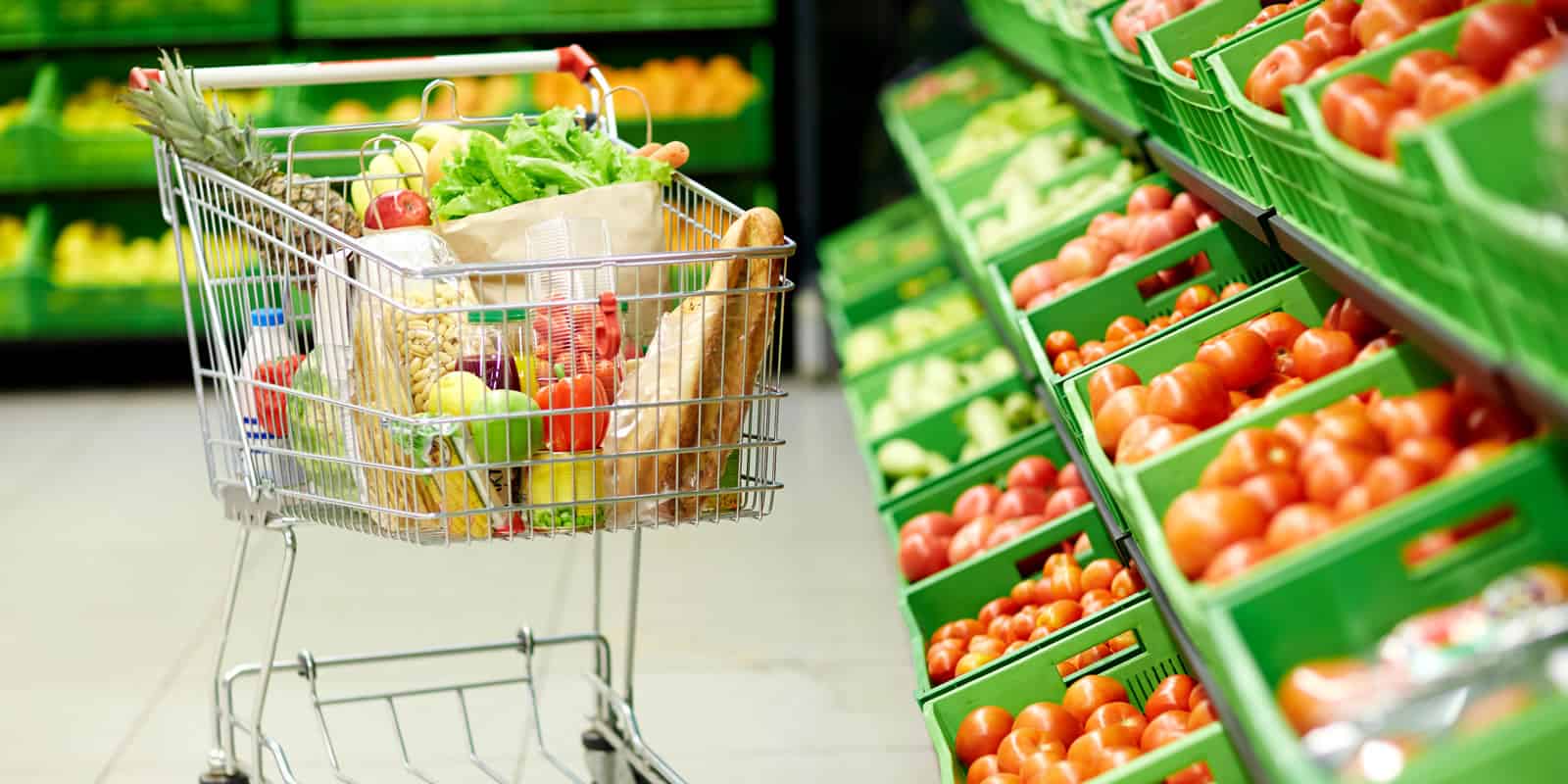
How to be Heart Smart with Your Shopping Cart


Newswise — It can often be daunting to decipher what is and isn’t considered healthy as you steer through grocery store aisles filled with a potpourri of products, labels and claims. This can be even more confusing when it comes to finding foods to help manage your heart health.


Yet Cathy Fitzgerald, registered dietitian with MFit, the University of Michigan Health System’s health promotion division, says that taking the time learn how to incorporate a heart-healthy diet into your lifestyle can pay off by improving your cholesterol, blood pressure and weight.

“Heart-healthy eating is about making good choices,” says Fitzgerald. “A basic way to do that is use the government approved food guide pyramid that emphasizes the food groups that we need to include in a heart-healthy diet.

"More specifically, what you want to do is work to include more whole grains, more fruits and vegetables, low-fat and no-fat dairy products, as well as lean protein sources.”

Simply educating yourself on what food label language truly means can steer you in the right direction when it comes to finding nutritious foods.

Fitzgerald offers these tips on what to look for when it comes to heart-healthy eating:

1. The claim, “May reduce the risk of heart disease.” You can be assured that you are buying a beneficial product when you see this on a label. A company cannot merely put this statement on a food if it wants to. “This claim means there is scientific evidence that the Food and Drug Administration has decided is strong enough to support it,” explains Fitzgerald.

2. Nutrient content claims. These are government regulations that a company must follow to use terms such as “high,” “low” or “reduced.” For example, a food must have three grams of fat or less to be considered low fat, and a product that is high in a certain nutrient provides 20 percent or more of the daily value suggested by the FDA. Since these are regulated claims, you can feel confident that you are making educated choices when you select these products, Fitzgerald says.

3. Foods with fiber. Fiber is important for the health of the digestive system and for lowering cholesterol. Look for claims that say “high in fiber” or “excellent source of fiber.” These products have at least five grams of fiber per serving. A food that is listed as being a “good source” of fiber has two and a half grams of fiber or more. Beans, whole grain breads and cereals, oatmeal, and products with barley in them are all considered good sources of fiber.

4. Omega-3 fats. Omega-3 fats are considered healthy fats to eat, and research has shown that they can benefit the heart, Fitzgerald says. Fish such as salmon, tuna, mackerel and trout are good sources of omega fats and are low in saturated fat.

5. Sterols and stanols. Plant sterols and stanols are cholesterol-lowering substances that are added to products like margarine and salad dressings. Some companies are beginning to offer them in chew and liquid form so that they can be taken in more quickly. Fitzgerald explains that it can be difficult to find these products because they are not always labeled clearly. She suggests reviewing labels to make sure you are buying a product that states that they offer the cholesterol-lowering benefits of plant sterols and stanols.

While there are many beneficial products to choose from when it comes to heart health, Fitzgerald also warns against these food label offenders:

1. Sodium. “When we’re looking at labels with a heart-healthy eye and considering sodium it is really important to look for words like ‘low sodium’ or ‘reduced sodium’,” says Fitzgerald. This is especially important in processed and canned foods. If a food is labeled as “reduced” in sodium, it has 25 percent less of it than the original product.

2.Trans fats. “The story on trans fats is growing every day because they do have an impact on heart health, and unfortunately it is a negative effect,” explains Fitzgerald. Trans fats raise your bad cholesterol and lower your good cholesterol, and therefore they should be eaten very sparingly. They are found in fried foods and in processed foods that have a long shelf life. The term “partially hydrogenated oil” is a key indicator on an ingredients list that the food contains trans fats.

3. Saturated fat. This is the main dietary cause of high blood cholesterol, Fitzgerald notes. Butter, red meat such as hamburger and pork sausage, and cheese made from whole milk are among foods with the highest amount of saturated fat. Fitzgerald recommends comparing the saturated fat and trans fat listed on nutrition labels of foods and selecting the product that has the lowest sum. Eating low or non-fat dairy products and lean meats such as loin or round cuts are ways to control your saturated fat intake. Also try using more liquid margarines instead of butter.

Taking the time to investigate food labels not only can improve your heart health, but also your overall wellness. Some types of cancer, osteoporosis and type 2 diabetes are additional conditions that can be prevented or managed by the foods people choose to eat.

“Reading the labels is a great way to be guided toward healthier choices for your heart and for general reduction of all chronic diseases today,” says Fitzgerald. “So think about using the front of the package as well as the nutrition facts on the back when you are out shopping.”

For more information on reading food labels, visit these Web sites:
MFit, the University of Michigan Health System’s health promotion division: Food labels
http://www.med.umich.edu/1libr/wha/wha_nutrlabe_crs.htm

American Heart Association: How to read food labels
http://www.americanheart.org/presenter.jhtml?identifier=3007450

NIH: Reading a food label
http://www.nhlbi.nih.gov/chd/Tipsheets/readthelabel.htm

USDA tips for increasing physical activity
http://www.mypyramid.gov/pyramid/physical_activity_tips.html


...
...
...


Home
Up
About Us
America's Seniors WebMall
Aging News
California Report
Caregiving
Community/Workplace
Fitness,Health
Election 2008
Grandparents
Health Care Policy
Hispanic Seniors
Medicare News
Contents/Sitemap
Prescription Drugs
Pharma Suits
Restaurant Reviews
Rural Seniors
Safety & Security
Growing New Parts
Seniors Commentary
Seniors' Entertainment
Seniors Headlines
Seniors Finances
Seniors' Issues
Seniors Relationships
Seniors Rights
Social Security News
The Virtual Family
Total Care Pharmacy
Travel News
TSN Radio on Web
Veterans' Tribute
White House Cards
Privacy Policy
Sitemap Contents
Consumer Alert


Copyright 1999-2008 TodaysSeniorsNetwork.com
To Contact Us, Click Here